

Climate Action and Decarbonisation Explained
Climate action is about the steps we take to respond to climate change. This includes reducing the emissions that contribute to climate change, preparing for the impacts that are already happening, protecting nature, using resources more wisely, and helping communities become more resilient.
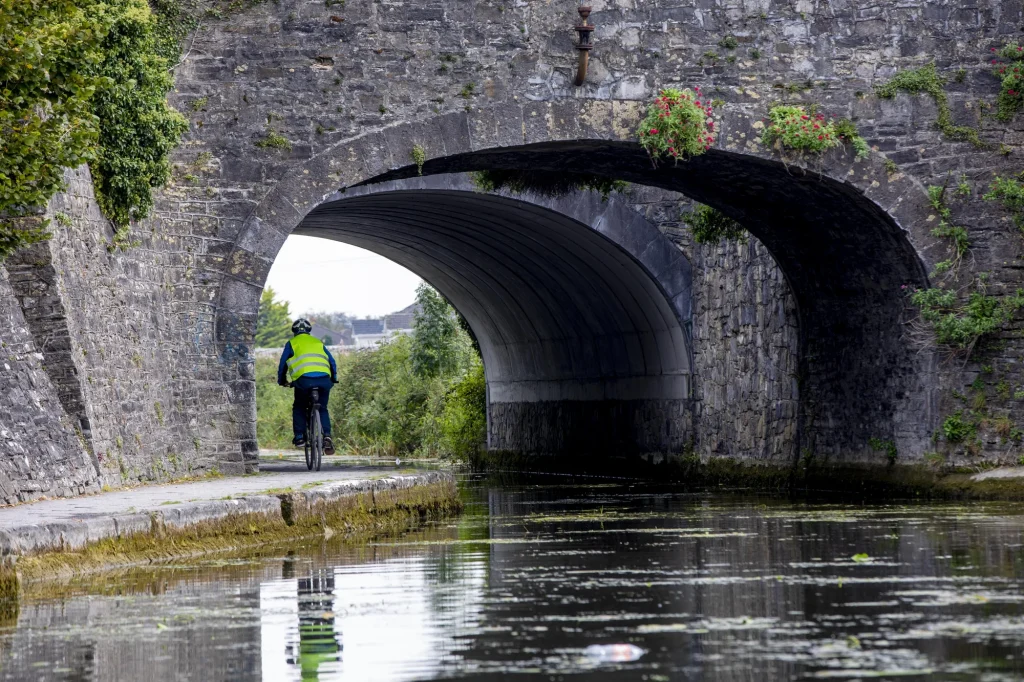
Decarbonisation is one part of this wider climate action effort. It means reducing the use of fossil fuels and lowering the amount of greenhouse gases released into the atmosphere. In everyday terms, it is about changing how we heat our homes and buildings, how we travel, how we use energy, how we produce and use goods, and how we make decisions about land, nature and resources.
This page explains some of the key terms and ideas used across the Maynooth Decarbonising Zone Information Hub. It is intended to help people understand what climate action and decarbonisation mean in practical, local terms.
What do we mean by climate action?
Climate action includes the decisions, projects and everyday choices that help reduce emissions, protect people from climate impacts, support biodiversity and build a more sustainable future.
Climate action can happen at many levels. National government sets policies and targets. Local authorities deliver services, manage infrastructure, plan places and support communities. Businesses, schools, public bodies, community groups, households and individuals also have important roles to play.
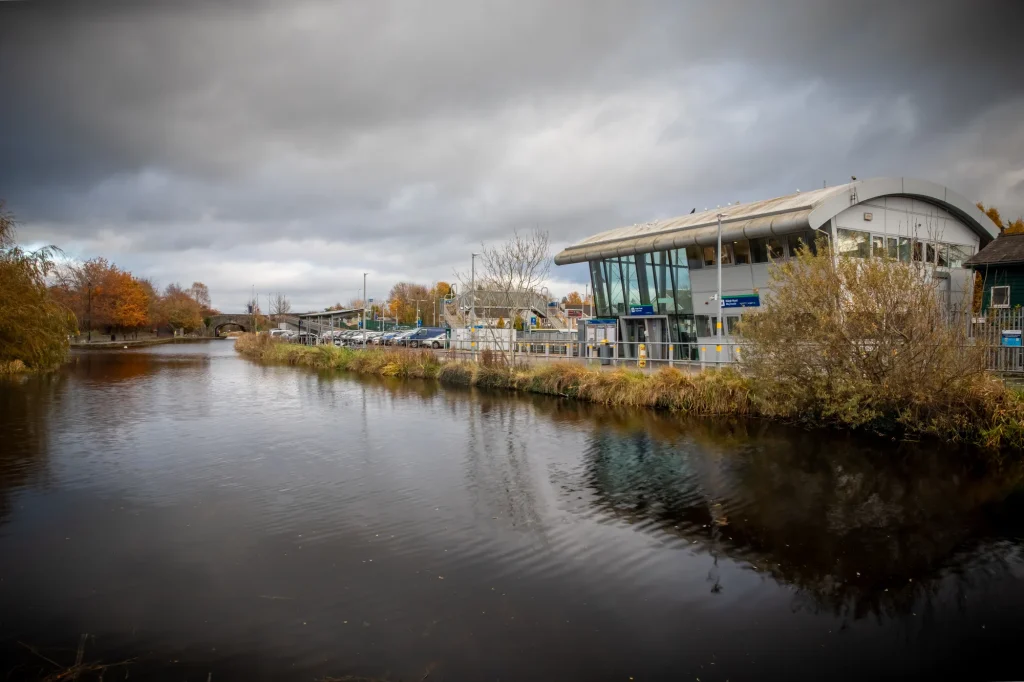
In Maynooth, climate action may include things such as:
-
improving energy efficiency in homes, schools, businesses and public buildings
-
supporting walking, cycling, public transport and other sustainable travel choices
-
using renewable energy where suitable
-
reducing waste and making better use of resources
-
protecting trees, rivers, habitats and green spaces
-
using nature-based solutions to manage water and support biodiversity
-
designing public spaces that are more attractive, accessible and climate-aware
-
sharing information, learning from local projects and encouraging community involvement
Climate action is not only about large projects. Small actions, repeated and supported across a community, can also make an important contribution.
What does decarbonisation mean?
Decarbonisation means reducing the carbon emissions and other greenhouse gases linked to the way we live, travel, heat buildings, use energy, produce goods and manage resources.
Many emissions come from burning fossil fuels such as oil, gas, petrol, diesel, coal and peat. These fuels release greenhouse gases into the atmosphere, contributing to climate change.
Decarbonisation means moving away from high-carbon activities and towards lower-carbon ways of living and working. This can include:
-
using less energy where possible
-
improving the energy performance of buildings
-
switching to cleaner and renewable energy sources
-
choosing more sustainable forms of transport
-
reducing waste and supporting reuse, repair and recycling
-
designing places so people can access more services locally
-
protecting and enhancing natural systems that help store carbon and manage climate impacts
For the Maynooth DZ, decarbonisation is about understanding where local emissions come from and supporting practical actions that can reduce them over time.
Why reducing emissions matters
Greenhouse gas emissions trap heat in the atmosphere. As emissions increase, they contribute to changes in the climate, including rising temperatures, more intense rainfall, flooding, heatwaves, drought and other impacts.
Reducing emissions helps limit the scale of future climate change. It also brings wider benefits. Many climate actions can help improve health, reduce energy costs, support biodiversity, improve air quality, make public spaces more attractive, reduce waste and create more resilient communities.
For example:
-
a more energy-efficient home can be warmer, more comfortable and cheaper to heat
-
safer walking and cycling routes can support healthier travel and reduce congestion
-
trees and green spaces can support biodiversity, provide shade and help manage rainwater
-
reducing waste can save resources and support a circular economy
-
local projects can help people see how climate action works in practice
This is why the Maynooth DZ looks at climate action not only as an emissions challenge, but also as an opportunity to improve local places, services and community life.
Mitigation and adaptation — two sides of climate action
Climate action is often described in two main ways: mitigation and adaptation.
Mitigation means reducing the causes of climate change. This usually means cutting greenhouse gas emissions or increasing the ability of natural systems to absorb and store carbon. Examples include improving energy efficiency, switching to renewable energy, reducing car dependency, cutting waste and planting or protecting trees and habitats.
Adaptation means preparing for the impacts of climate change that are already happening or expected to happen. This can include managing flood risk, designing public spaces to cope with heavier rainfall or heat, protecting vulnerable infrastructure, supporting biodiversity and helping communities prepare for extreme weather.
Both are important. Reducing emissions helps limit future climate change. Adapting to climate impacts helps protect people, places, services, nature and the local economy.
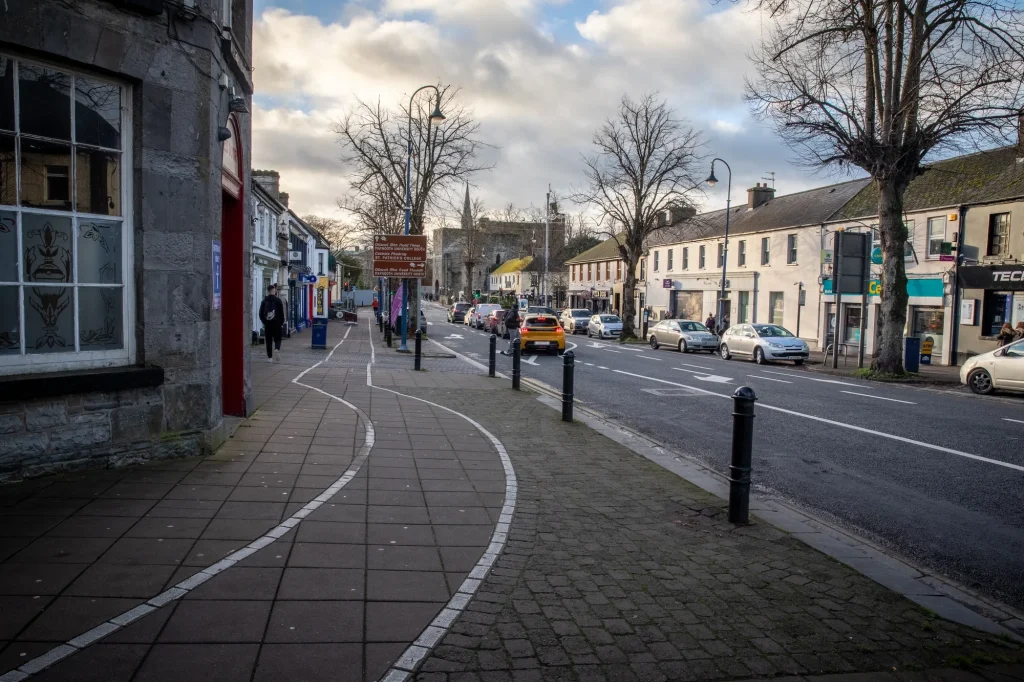
In Maynooth, many actions can support both mitigation and adaptation. For example, planting trees can support biodiversity, store carbon, provide shade and help manage rainwater. Improving public spaces can make the town more pleasant while also supporting walking, cycling and climate resilience.
How biodiversity and nature fit in
Climate action and biodiversity are closely connected. Healthy natural systems can help absorb carbon, manage water, cool urban areas, support wildlife and make places more attractive and resilient.
Biodiversity refers to the variety of living things in an area, including plants, animals, insects, trees, rivers, soils and habitats. Supporting biodiversity can include protecting existing habitats, planting native species, creating pollinator-friendly areas, improving river corridors, reducing pesticide use, managing green spaces differently and connecting habitats across the town.
Nature-based solutions are actions that use natural systems to help solve environmental and climate challenges. Examples include rain gardens, wetlands, tree planting, green roofs, swales, restored habitats and sustainable drainage systems.
In the Maynooth DZ, biodiversity and nature-based action are important because they help connect climate action with healthier public spaces, local resilience, wildlife protection and community wellbeing.
What does this mean in everyday life?
Climate action can sometimes sound technical, but many actions begin with practical choices.
-
For residents, this might mean using less energy at home, considering retrofit options, choosing active travel where possible, reducing waste, planting for pollinators or supporting local community projects.
-
For schools, it might mean climate education, safe routes to school, energy awareness, biodiversity projects, waste reduction or student-led initiatives.
-
For businesses and organisations, it might mean reviewing energy use, reducing waste, supporting sustainable travel, improving procurement, using resources more efficiently or taking part in local partnerships.
-
For community groups, it might mean organising local events, creating biodiversity projects, sharing information, developing local initiatives or helping people connect with opportunities.
-
For public bodies, it might mean improving services, public spaces, buildings, transport infrastructure, green areas and planning decisions in ways that support climate action and resilience.
Everyone does not need to do everything. Different people and organisations can contribute in different ways. The important point is that many actions, taken together, can support a more sustainable and climate-aware Maynooth.
How this connects to the Maynooth Decarbonising Zone
The Maynooth DZ provides a local focus for climate action. It helps bring together projects, information, people and places so that climate action can be understood and demonstrated in practical ways.
The DZ looks at how Maynooth can reduce emissions, use energy and resources more wisely, support biodiversity, improve public spaces, encourage sustainable travel and become more resilient to climate impacts.
This means the DZ is not only about one type of action. It connects many themes, including:
-
homes and buildings
-
transport and movement
-
energy and retrofit
-
biodiversity and green infrastructure
-
public spaces and local places
-
schools, businesses and community action
-
waste reduction and circular economy
-
learning, partnership and shared progress
The Information Hub supports this by making information easier to find, showing where projects are happening, sharing local examples and helping people identify practical actions they can take.
Explore the Hub to learn more
This Information Hub has been created to help people understand the Maynooth DZ and find practical information in one place.
You can use the Hub to:
- Learn what the Maynooth Decarbonising Zone is
- Find out why Maynooth was selected
- Explore local projects and case studies
- Use the interactive map to see where climate action is happening
- Find practical actions for residents, schools, businesses, organisations and community groups
- Learn more about biodiversity, sustainable transport, energy, retrofit and resource use
- Discover updates, events and opportunities to get involved
Climate action can feel complex, but it becomes easier to understand when it is connected to real places, local projects and everyday choices. The Maynooth DZ Information Hub is here to help make those connections clearer.