

 Biodiversity & Resilience
Complete
Dunne's Farm
Maynooth, County Kildare
This mixed farm combines arable crops, poultry, sheep, pigs and some vegetables with practical measures to care for soil, water and wildlife
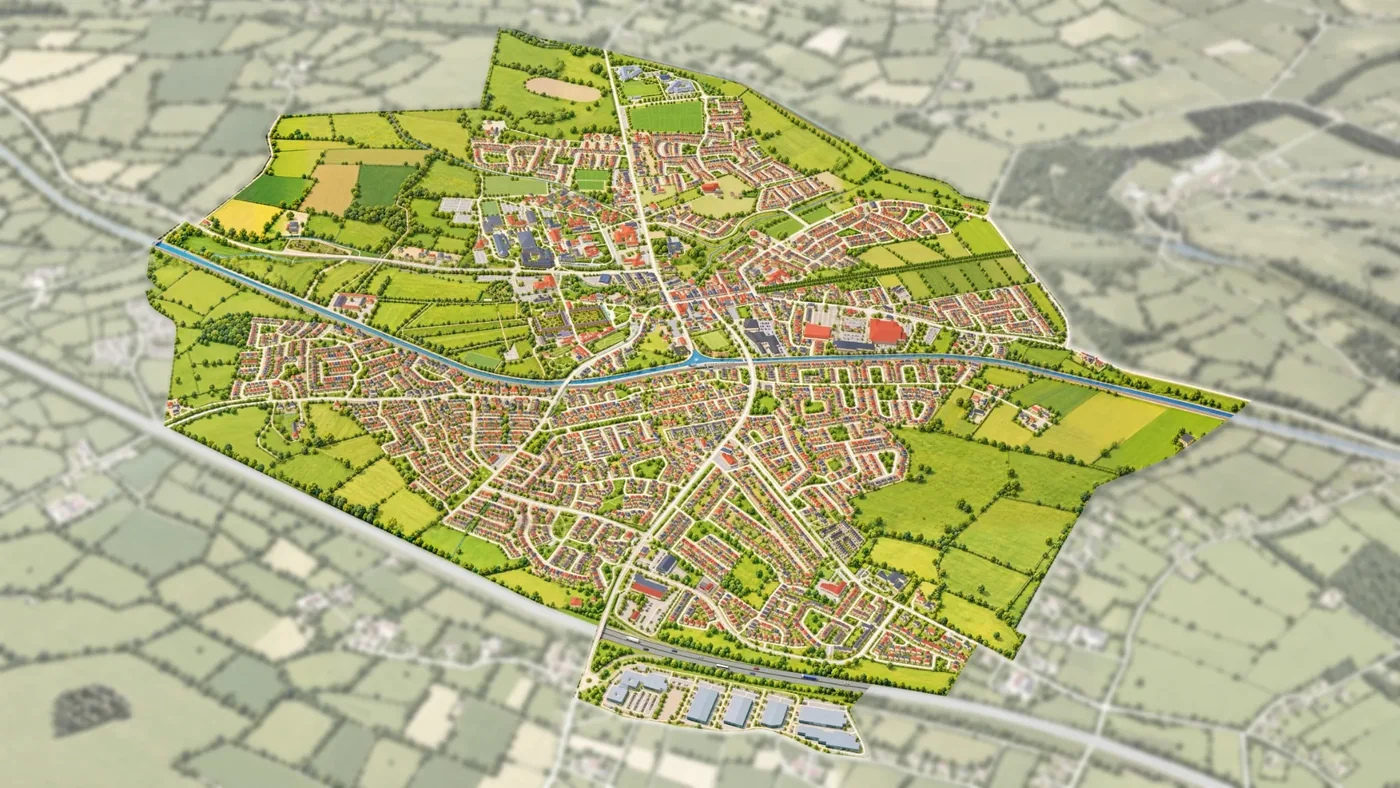 Check location ↗

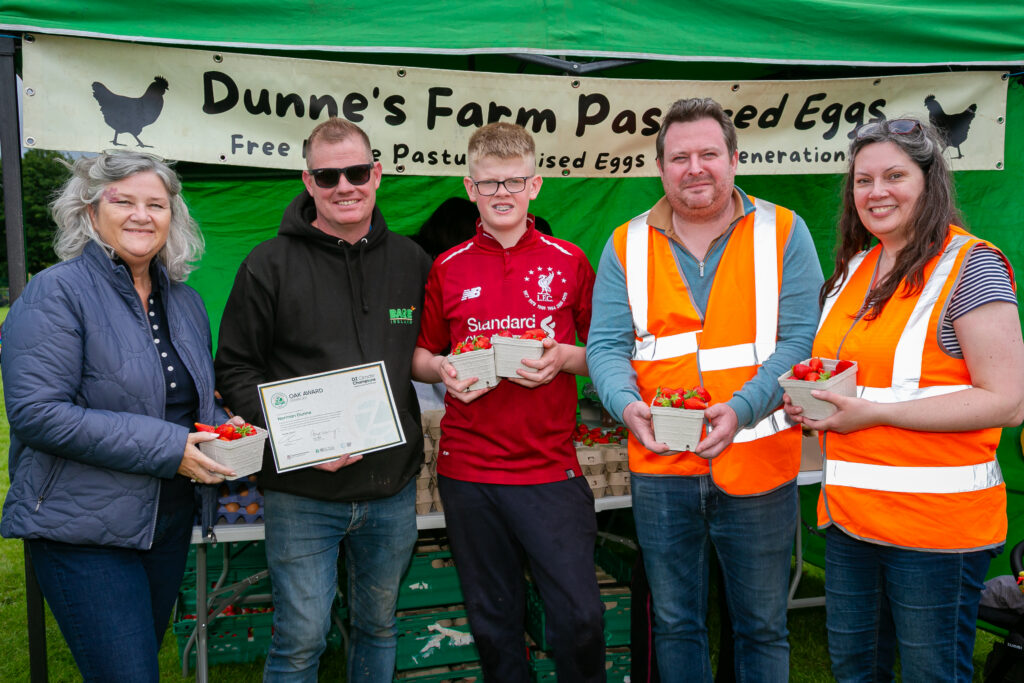
Recognised with a Maynooth DZ Climate Champions Oak Award in 2025, its approach centres on disturbing the soil less, keeping it covered and returning useful organic materials to the land.
Caring for soil and protecting water
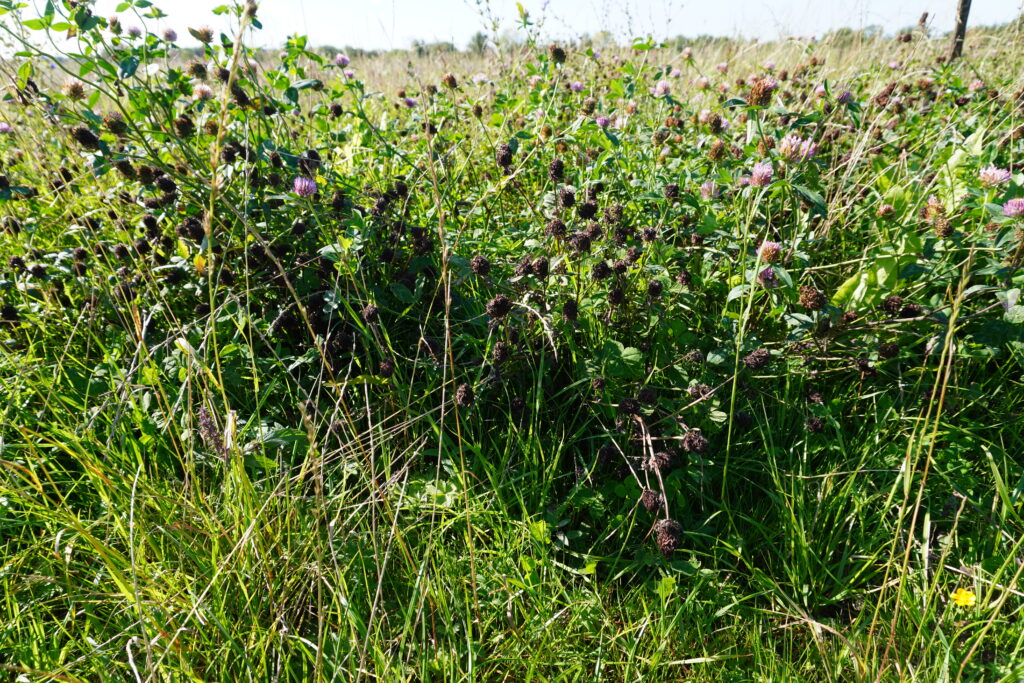
The farm uses crop rotations, keeps living roots in the ground and integrates animals into its farming system. These practices form part of its conservation and regenerative approach to agriculture.
Cover crops grown in winter and summer help protect soil from erosion and keep nutrients such as nitrogen and phosphorus in the field rather than washing into waterways. The farm reports improved soil organic carbon, reduced pesticide and fertiliser use, and an end to insecticide use.
Using less diesel
A sowing system that disturbs the soil as little as possible has reduced the need for diesel. The farm reports using just one third of its previous fuel consumption. This is a reported fuel saving, rather than a measured reduction in the farm’s overall carbon footprint, which has not yet been calculated.
Supporting wildlife across the farm
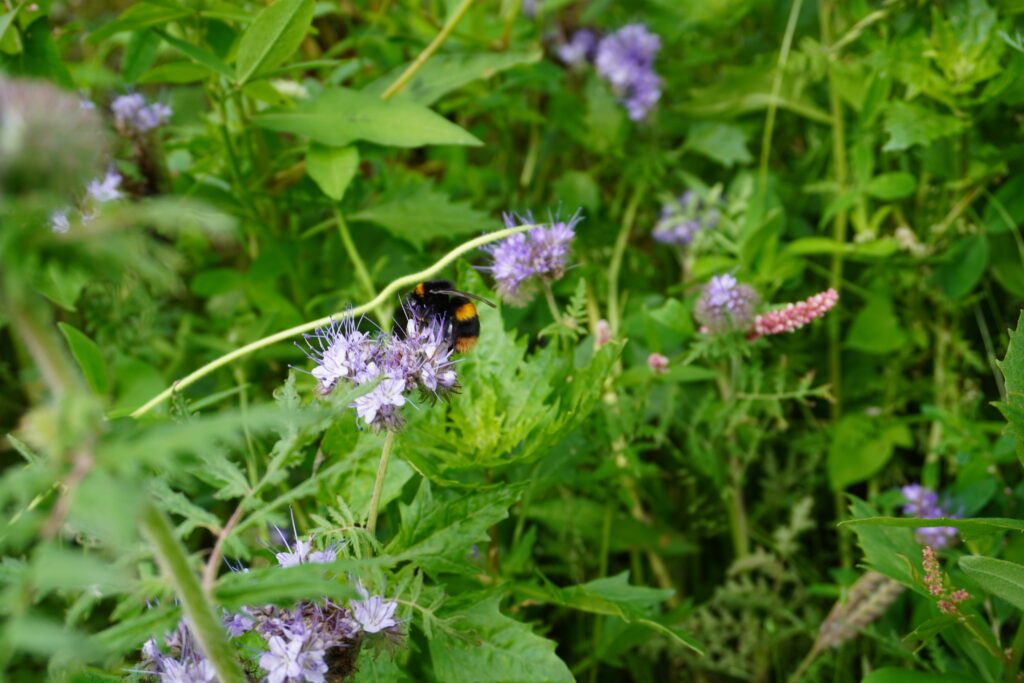
Flowering cover crops provide food for pollinators, birds and other wildlife, with planting chosen to keep flowers available for as much of the year as possible. Pollination strips also attract insects that help control crop pests naturally.
Hedges are cut less frequently, sometimes every second year, and four acres of mature native woodland provide an established habitat alongside the farmed land.
Turning local waste into a soil resource
The farm makes its own compost, including manure collected from neighbouring farms. Straw is exchanged with other farmers and returned as manure for composting, keeping useful materials circulating locally.
A worm composting bin also processes waste from three households into material used to feed the soil and crops. Together, these practices turn organic waste into a resource for growing food.
Connecting local food with local people
Eggs, potatoes and honey are sold within the Maynooth area. These short supply chains connect customers directly with a local farm and keep food production linked to the surrounding community
Want to learn more about the Maynooth DZ Climate Champions Awards?
You can visit the Maynooth DZ Climate Champions page to learn more
You can also visit the Together for a Sustainable Future Podcast page to view the episode with Norman Dunne