

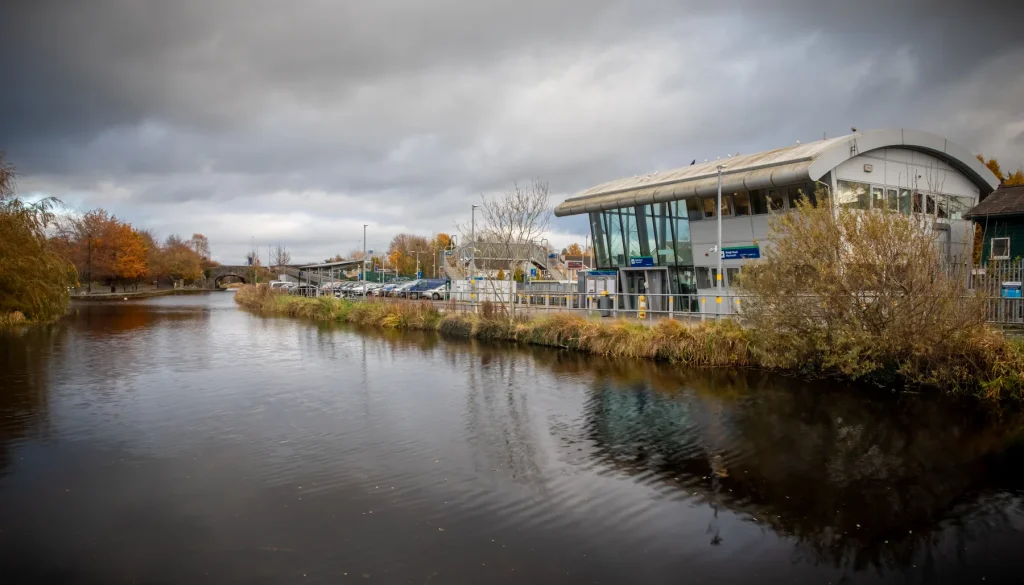
On 12 September 2026, Kildare County Council hosted Maynooth 2030 – What Would You Choose?, the first event in the Maynooth Decarbonising Zone (DZ) Community Climate Action Series.
Held in Manor Mills Shopping Centre, the pop-up engagement event invited residents and visitors to share their hopes, ideas and priorities for the future of Maynooth. Through interactive activities including a postcard exercise, a community mapping activity, a voting wall and a short survey, participants were asked a simple question:
What would you like Maynooth to be like in 2030?
The responses revealed a clear and consistent vision for the future: a greener, safer and better-connected Maynooth where climate action improves everyday quality of life.
Hearing New Voices
One encouraging outcome from the event was the opportunity to engage people who had not previously been involved in climate action discussions.
Twenty people completed the engagement survey. Most respondents identified as residents of Maynooth, while others included workers, students, business owners, community group members and regular visitors. Fifteen respondents said this was their first time engaging with the Maynooth Decarbonising Zone, demonstrating the value of taking climate conversations into public spaces and meeting people where they already are. Nineteen of the twenty respondents also expressed interest in receiving future updates about the Maynooth DZ and future community climate action opportunities.
A Vision for a Greener Maynooth
The strongest theme emerging from the event was a desire for a greener town with more space for nature.
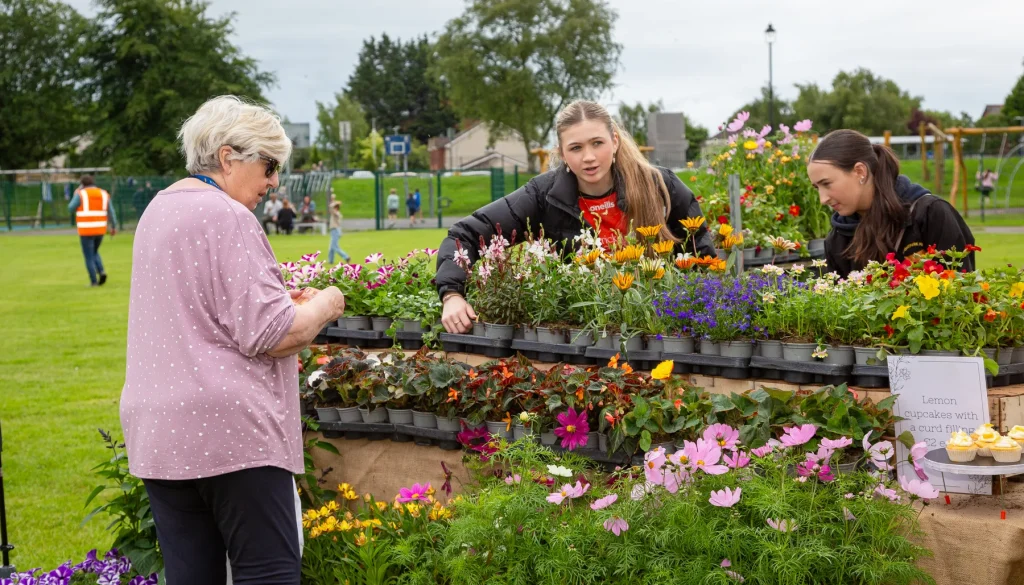
Through the postcard activity, participants repeatedly called for more trees, biodiversity, community gardens, public planting and nature-rich public spaces. Many people spoke about the importance of access to nature as part of everyday life and saw greening initiatives as central to making Maynooth a healthier and more attractive place to live.
This priority was also reflected in the voting wall exercise. Participants were invited to allocate votes across eight climate action themes based on where they would like to see future action prioritised. The highest-ranked theme was More Trees, Nature and Biodiversity, receiving 27 votes.
Suggested ideas included additional tree planting, rain gardens, community green spaces, biodiversity initiatives, community allotments and better protection of local ecosystems.
Moving Around Maynooth Safely
The second major theme was active travel.
Participants highlighted the need for safer walking and cycling routes, improved footpaths, more bicycle parking and better connections between existing cycling infrastructure. Several contributors supported the idea of reducing traffic dominance in the town centre and creating a more people-centred environment.
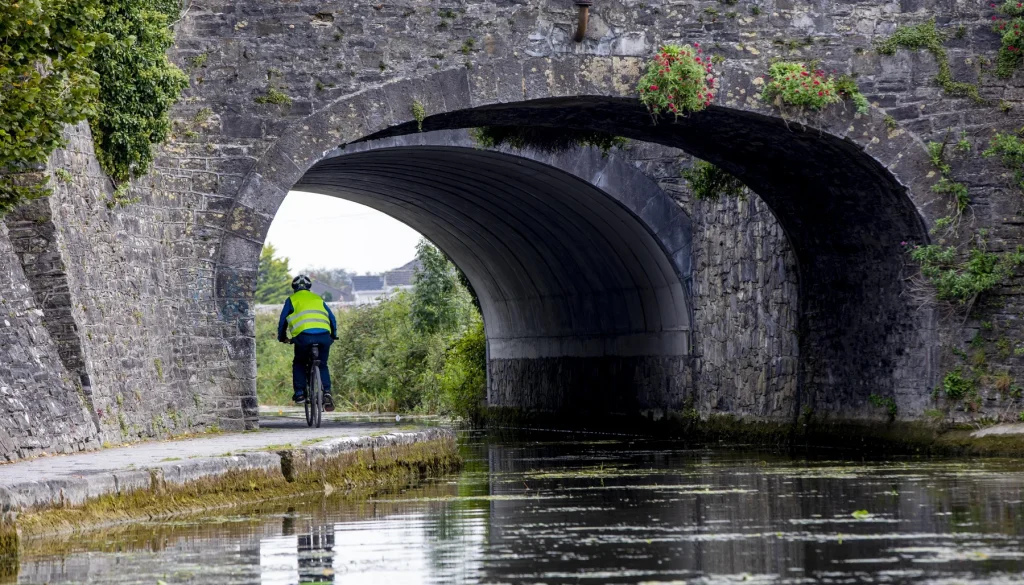
Active travel priorities were also strongly reflected in the voting wall results, where Better Walking, Cycling and Public Transport received 25 votes, making it the second most popular theme overall.
Many comments linked climate action directly to everyday experiences such as commuting, accessing local services, travelling safely with children and being able to move around town without relying on a car.
Preparing for Climate Change
Participants also showed strong awareness of the need to prepare for the impacts of climate change.
The voting wall activity identified Climate Resilience: Flooding, Heat and Extreme Weather as the third highest priority, receiving 21 votes.
Concerns about flooding, drainage and water quality emerged in several activities. Participants highlighted issues affecting local waterways including the Joan Slade Stream, the Lyreen River and the canal area. Suggestions included better management of waterways, nature-based solutions, flood prevention measures and stronger protection for wildlife habitats.
The findings suggest that local people are interested not only in reducing emissions but also in helping Maynooth adapt to future climate risks.
Mapping Local Knowledge
One of the most popular activities invited people to place coloured stickers on a large map of the Decarbonising Zone.
Participants identified locations affected by flooding and drainage problems, areas where additional trees or cooling might be beneficial, places where biodiversity could be improved, locations where walking, cycling and accessibility could be enhanced and examples of existing sustainability initiatives already making a positive contribution.
The activity demonstrated the value of local knowledge. Residents often have detailed insight into how places function, where problems occur and where opportunities for improvement exist. These observations can provide valuable guidance for future climate action projects within the Decarbonising Zone.
Climate Action and Community Wellbeing
An important finding from the event was that participants did not view climate action as a separate issue.
Instead, people consistently linked climate action with broader goals such as improved health, accessibility, community facilities, public spaces and quality of life. Postcards included calls for better footpaths, community centres, sports facilities, gathering spaces, swimming facilities and opportunities for local connection. Participants also highlighted practical actions such as repair initiatives, reuse projects, sustainable energy, recycling and climate education.
Taken together, the feedback suggests that residents see climate action as an opportunity to create a town that is not only more sustainable but also more inclusive, connected and enjoyable to live in.
What Happens Next?
The findings from Maynooth 2030 – What Would You Choose? are helping to inform the wider Maynooth DZ Community Climate Action Series and will contribute to future discussions about climate action priorities within the Decarbonising Zone. The themes identified through the event will also help shape future engagement activities, community initiatives and information resources.
While individual ideas varied, a clear vision emerged from the engagement:
People want Maynooth to be a greener, more accessible and better-connected town, where nature thrives, people can move safely without relying on cars and the community has welcoming spaces to gather, learn, play and take climate action together.
To learn more about the wider programme of community engagement activities, read our accompanying article:
Community Voices Shaping Maynooth's Climate Future: The Maynooth DZ Community Climate Action Series.