

Maynooth DZ Information Hub: Homeowner Retrofit Journey Map
Introduction
Welcome to the homeowner retrofit journey for the Maynooth Decarbonising Zone Information Hub. This section is designed to help homeowners understand where they are now, what options are available, and what practical steps they can take to make their homes warmer, healthier, more comfortable and more energy efficient.
Homes are an important part of climate action in Maynooth. Improving the energy performance of our homes can help reduce greenhouse gas emissions, lower energy use, improve comfort and support a more resilient local community. While this journey is written with homeowners in the Maynooth Decarbonising Zone in mind, the information may also be useful to people living elsewhere who are considering home energy upgrades.
You do not need to know everything before you begin. Some people start by learning the basics. Others already know they want insulation, solar panels, a heat pump or a full home retrofit. Use the journey tabs below to start at the point that feels most relevant to you.
1. I’m just getting started
If you are at the beginning of your home energy upgrade journey, this is a good place to start. Retrofitting simply means improving an existing home so that it uses less energy, feels more comfortable and performs better over time. This can include small measures such as attic insulation or heating controls, larger upgrades such as wall insulation or new windows, or a more complete package of works such as a deep retrofit.
You do not have to decide everything straight away. Many homeowners begin by learning the basic terms, looking at examples of other homes, and getting a better understanding of what might be possible. A useful first step is to become familiar with common retrofit words such as BER, insulation, heat pump, heating controls, solar PV, ventilation, fabric first and One Stop Shop. Relevant link https://kildarecoco.ie/AllServices/ClimateAction/GlasHouseHub/Learn/jargonlibrary/
The Maynooth DZ Information Hub can also help you see what home energy upgrades look like in practice. The physical DemoHouse closed to the public in September 2026, but you can still explore it through the virtual viewing and related videos. These resources show examples of energy upgrades, sustainability features and practical ideas that may help you think about your own home. Relevant links: Virtual Tour of the Demo House: https://viewer.navit.ie/?id=39167&uuid=67163d59-3ad9-4e48-92fc-2b00239ced3a and Demo House Concept Videos: https://kildarecoco.ie/AllServices/ClimateAction/DemoHouse/DemoHouseVideos/Concepts/
If you are not sure where to begin, start with three simple questions: What is making my home uncomfortable or expensive to heat? What do I already know about my home’s energy performance? What would I like to improve first — comfort, bills, emissions, air quality, or the long-term value of the home?
2. I want to understand my home
Before choosing specific upgrades, it is useful to understand how your home is currently performing. Every home is different. The age of the building, the type of walls, the level of insulation, the heating system, windows, ventilation and how the home is used can all affect comfort, energy bills and emissions.
A Building Energy Rating, or BER, is one way to understand the energy performance of a home. A new BER was introduced in Ireland in May 2026 and gives a rating from A0 to G, with A0-rated homes being the most energy efficient and G-rated homes having the greatest need for improvement. A BER can help you understand how much energy your home uses for heating, lighting and ventilation, and it can be a useful starting point when thinking about upgrades. Relevant Link: https://www.seai.ie/ber
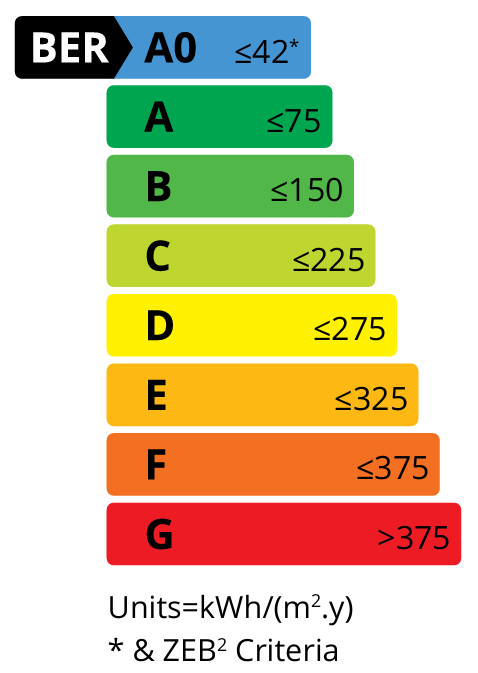
A Home Energy Assessment can give a more detailed picture. This type of assessment usually includes a BER assessment, a technical report on the energy efficiency of your home, recommended upgrades to help bring the home to a B2 rating or better, information on whether your home may be suitable for a heat pump, an explanation of how the recommended works could improve comfort and reduce bills, and an estimate of likely upgrade costs. Relevant link: https://www.seai.ie/grants/home-energy-grants/one-stop-shop/home-energy-assessments
This stage is about gathering good information before making decisions. You may wish to look at your current BER, recent energy bills, where the home feels cold or draughty, whether some rooms are harder to heat than others, and whether there are issues with damp, condensation or ventilation. This information can help you have a more useful conversation with a registered professional. Relevant link: https://www.seai.ie/grants/find-a-registered-professional
3. I want to explore upgrade options
Once you understand how your home is performing, the next step is to explore the types of upgrades that may be suitable. Some homeowners choose to complete one upgrade at a time, while others decide to carry out a larger package of works through a deeper retrofit. The right approach will depend on your home, your budget, your priorities and whether you want to complete works in stages or all at once.
A useful principle is to think about the fabric of the home first. This usually means looking at how well the building keeps heat in before adding new technologies. Insulation, draught proofing, windows, doors and ventilation can all affect how well a home performs. Improving these areas can make the home warmer and may also make later upgrades, such as a heat pump, work more effectively. Relevant link: https://www.seai.ie/plan-your-energy-journey/for-your-home/guide-to-upgrades
Common individual upgrades include attic insulation, wall insulation, heating controls, heat pump systems, solar PV panels, solar water heating, and improvements to windows and doors. These measures can often be planned around your own timeline and budget. If you are taking this route, you will usually be responsible for choosing contractors, checking grant requirements and applying for individual supports. Relevant link: https://www.seai.ie/grants/home-energy-grants/individual-grants
A deep retrofit is a more complete package of works. It may include insulation, improved airtightness, upgraded windows and doors, a heat pump, heating controls and renewable technologies such as solar PV. This route is often aimed at bringing the home to a much higher energy rating, such as B2 or better, and may be managed through an SEAI registered One Stop Shop provider. Relevant link: https://www.seai.ie/grants/home-energy-grants/one-stop-shop
If you are unsure whether to complete works in stages or as one larger project, it may help to compare the two routes. A staged approach can allow you to spread costs and disruption over time, but it needs careful planning so that one upgrade does not make a later upgrade harder or more expensive. A deeper retrofit can be more coordinated, but it may involve a larger upfront commitment and more significant works in the home.
The Virtual DemoHouse and case studies can help you see what different upgrades look like in real homes. They may also help you understand the difference between individual measures, such as solar panels or attic insulation, and a more joined-up retrofit plan. Relevant links: Virtual Tour Demo House: https://viewer.navit.ie/?id=39167&uuid=67163d59-3ad9-4e48-92fc-2b00239ced3a
- Demo House Community Reactions: https://kildarecoco.ie/AllServices/ClimateAction/DemoHouse/DemoHouseVideos/CommunityReactions/
- SEAI case studies: https://www.seai.ie/case-studies?topic%5B231%5D=231
4. I want to plan grants, costs and finance
Once you have an idea of the upgrades that may suit your home, it is important to look at likely costs, available grants and possible finance options. This stage can help you understand what support may be available and what information you may need before making decisions.
SEAI provides a range of home energy grants, including supports for individual energy upgrades, complete home energy upgrades through a One Stop Shop, and fully funded upgrades for eligible homes under the Warmer Homes Scheme. Each grant route has its own eligibility criteria, application process and requirements, so it is worth checking the most up-to-date information before starting works. Relevant link: https://www.seai.ie/grants/home-energy-grants
For individual upgrades, grants may be available for measures such as attic insulation, wall insulation, heating controls, heat pump systems, solar PV, solar water heating, windows and doors. These grants usually support homeowners who want to complete one or more measures over time. You will generally need to use an SEAI registered contractor and follow the relevant grant application process. Relevant link: https://www.seai.ie/grants/home-energy-grants/individual-grants
SEAI individual grants page links:
- Attic Insulation https://www.seai.ie/grants/home-energy-grants/individual-grants/attic-insulation
- Wall Insulation https://www.seai.ie/grants/home-energy-grants/individual-grants/wall-insulation
- Windows and Doors https://www.seai.ie/grants/home-energy-grants/individual-grants/windows-and-doors
- Heat Pump System https://www.seai.ie/grants/home-energy-grants/individual-grants/heat-pump-systems
- Heating Controls https://www.seai.ie/grants/home-energy-grants/individual-grants/heating-upgrade-grants
- Solar Electricity https://www.seai.ie/grants/home-energy-grants/individual-grants/solar-electricity-grant
- Solar Water Heating https://www.seai.ie/grants/home-energy-grants/individual-grants/solar-water-heating-grant
For a more complete home energy upgrade, a One Stop Shop provider can help coordinate the process from the home energy assessment through to grant application, contractor management and completion of works. In many cases, grant funding is deducted upfront from the cost of works, which can make it easier to understand the net cost to the homeowner. Relevant link: https://www.seai.ie/find-grants-and-contractors/find-contractors/registered-one-stop-shops
If you may be eligible for fully funded energy upgrades, the Warmer Homes Scheme is worth reviewing. This scheme is aimed at eligible homeowners and has specific criteria linked to the age of the home, ownership and certain social welfare payments. The application and assessment process is managed through SEAI. Relevant link: https://www.seai.ie/grants/home-energy-grants/fully-funded-upgrades-for-eligible-homes
Online calculators can also help you explore possible costs, savings and payback periods. These tools will not replace professional advice, but they can give you a starting point when thinking about solar PV, home upgrades, likely energy savings or budget planning. Some calculators may ask for your MPRN, which is the unique electricity meter number for your home and can usually be found on your electricity bill. Relevant links:
- SEAI solar PV calculator: https://www.seai.ie/about/tools/solar-electricity-calculator
- Bank of Ireland BERWOW calculator: https://boi.berwow.ie/recommender/
- SSE Airtricity home upgrade calculator: https://www.sseairtricity.com/ie/home/home-upgrade-calculator
Finance options may also be available for homeowners who need support with upfront costs. The Home Energy Upgrade Loan Scheme is designed to help eligible households fund home retrofit works, with features such as lower interest rates, repayment terms over several years and unsecured loans within the scheme limits. Some local financial institutions may also offer green loan products for energy upgrades, solar panels, retrofits or related improvements. Relevant links:
- SBCI Home Energy Upgrade Loan Scheme: https://www.sbci.gov.ie/products/home-energy-upgrade-loan-scheme
- Life Credit Union Green Loan: https://lifecu.ie/green-loan/
Before committing to any grant or finance route, make sure you understand the eligibility rules, what works are covered, whether you need approval before works begin, who can carry out the work, how grant payments are made, and what documentation you will need to keep. Taking time at this stage can help avoid delays or missed supports later in the journey.
5. I’m ready to start works
When you are ready to move from planning to action, the next step is to choose the route that best suits your home and circumstances. Some homeowners will apply for individual grants and manage contractors themselves. Others may choose to work with an SEAI registered One Stop Shop provider, especially where several upgrades are being completed together.
Before works begin, check that your chosen contractor or provider is registered for the grant or scheme you intend to use. This is important, as grant eligibility can depend on using the right type of registered professional and following the correct application process. If you are unsure, check the relevant register before making a final decision. Relevant Links:
- SEAI registered contractors: https://www.seai.ie/grants/find-a-registered-professional
- SEAI One Stop Shop register: https://www.seai.ie/find-grants-and-contractors/find-contractors/registered-one-stop-shops
Make sure you understand when to apply for grant approval. In many cases, you should not start works until you have received the appropriate approval or confirmation. Starting too early, using an ineligible contractor, or missing required documents may affect whether you can draw down support later.
Relevant links:
- Individual Upgrades Guidance: https://www.seai.ie/grants/home-energy-grants/individual-grants/support-for-individual-grants and https://www.seai.ie/sites/default/files/publications/Median-costs-of-individual-energy-upgrades.pdf and https://www.seai.ie/sites/default/files/publications/Homeowner-Application-Guide.pdf
- One Stop Shop guidance: https://www.seai.ie/grants/home-energy-grants/one-stop-shop/multiple-energy-upgrades
- Warmer Home Scheme guidance: https://www.seai.ie/grants/home-energy-grants/fully-funded-upgrades-for-certain-homeowners
It is also useful to prepare your home and household for the works. Depending on the upgrade, there may be disruption, access requirements, temporary loss of heating or hot water, or a need to move furniture and clear attic, wall or service areas. Ask your contractor what to expect, how long the works are likely to take, and what you need to do before they arrive.
During the works, keep copies of quotes, contracts, grant approvals, invoices, product details, certificates, photos and any instructions you receive. These records may be needed for grant payment, future maintenance, warranties, insurance, or when explaining what upgrades have been completed if you sell or rent the property later.
If you are working through a One Stop Shop, they should guide you through much of the process, including assessment, design, grant administration and coordination of contractors. If you are managing individual works yourself, take time to understand each step and ask questions before agreeing to proceed.
Starting works is an important milestone, but it is still part of the journey. Good planning, clear communication and careful record keeping can help the retrofit process run more smoothly and make it easier to complete the final grant and assessment steps when works are finished.
6. I’ve completed upgrades — what next?
Completing home energy upgrades is a major step, but there are still useful things to do once the works are finished. This stage is about checking that the work has been completed properly, understanding how to get the best from your upgraded home, and keeping good records for the future.
Depending on the type of works completed, you may need a final BER assessment, certificates, commissioning documents, warranties, user guides or other completion paperwork. Keep these documents together, as they may be needed for grant drawdown, future maintenance, quality checks, insurance, or when selling or renting the property.
Relevant links:
- SEAI final BER / Grant Completion Requirements: https://www.seai.ie/building-energy-rating-ber-grant
SEAI application and post-works guidance:
If you have installed new systems such as heating controls, a heat pump, solar PV, a battery or improved ventilation, take time to learn how they work. Many upgrades perform best when they are used correctly and maintained over time. Ask your contractor or provider to explain the controls, settings, servicing requirements and any warning signs you should watch for.
Relevant links:
- Heating controls https://www.seai.ie/plan-your-energy-journey/for-your-home/guide-to-upgrades/heating-controls
- Heat Pumps https://www.seai.ie/plan-your-energy-journey/for-your-home/guide-to-upgrades/heat-pumps
- Solar Energy https://www.seai.ie/renewable-energy/solar-energy
- Ventilation Systems https://www.seai.ie/plan-your-energy-journey/for-your-home/guide-to-upgrades/ventilation-systems
It can also be helpful to monitor how your home feels and performs after the works. You may notice changes in comfort, draughts, room temperatures, heating patterns, hot water use, electricity use or bills. Comparing energy bills before and after upgrades can help you understand the impact of the works, although weather, energy prices and household behaviour can also affect bills.
Some homeowners find that the biggest benefits are not only financial. A warmer home, fewer cold spots, better control over heating, improved air quality and a better understanding of energy use can all make a difference to everyday comfort and wellbeing.
Your experience may also help other people in Maynooth and beyond. If you are willing to share your retrofit story, a short case study could help other homeowners understand what the process was like, what decisions you made, what you learned, and what advice you would give to someone starting out.
The retrofit journey does not have to end when the works are complete. You may decide to make further improvements later, review your energy use each year, learn more about climate action locally, or stay connected with the Maynooth DZ Information Hub for updates, examples and supports.